





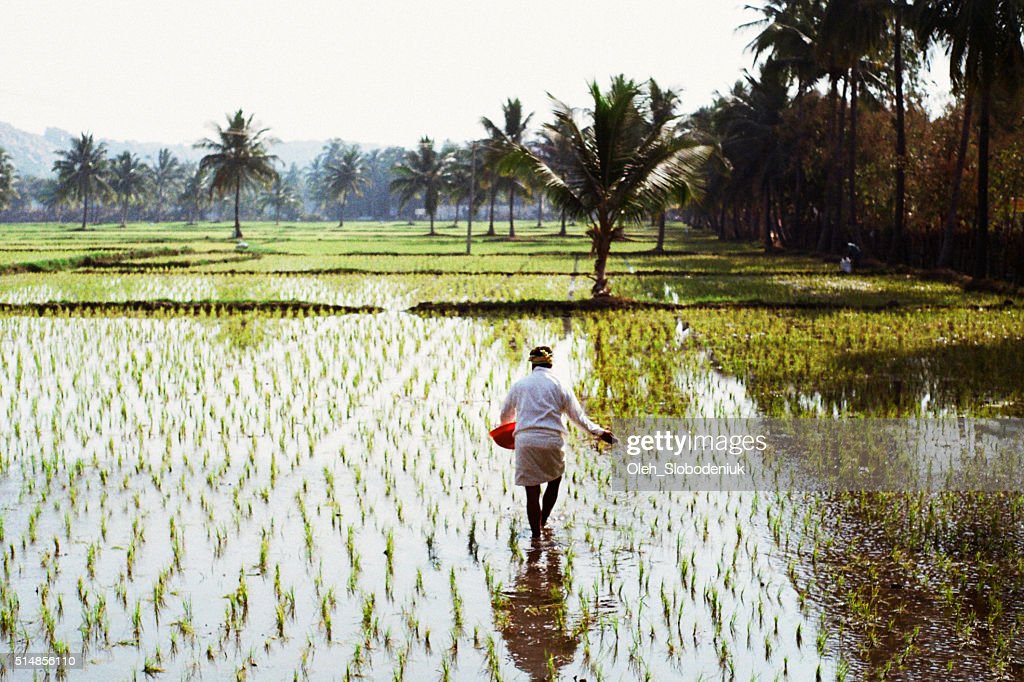
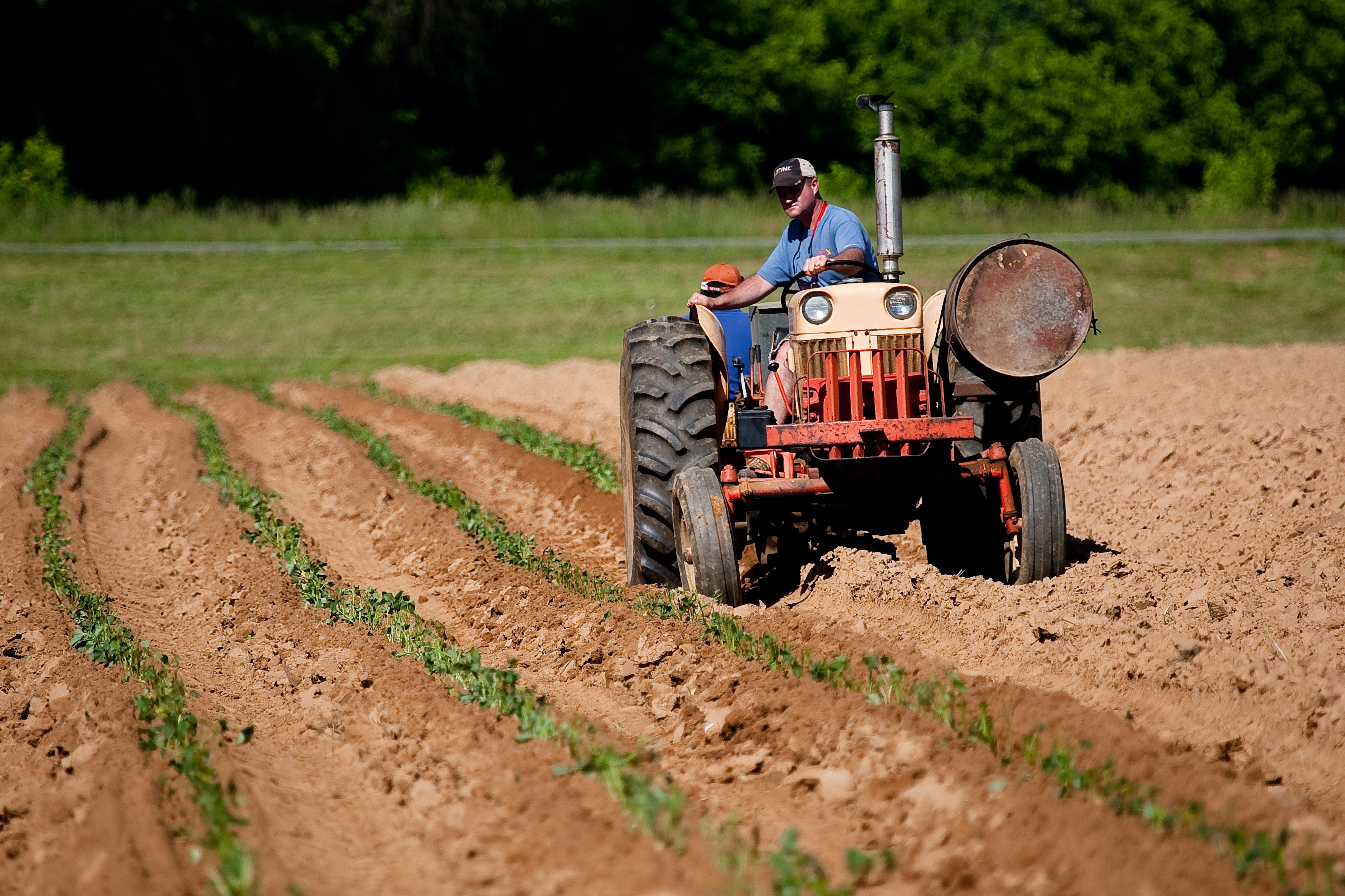
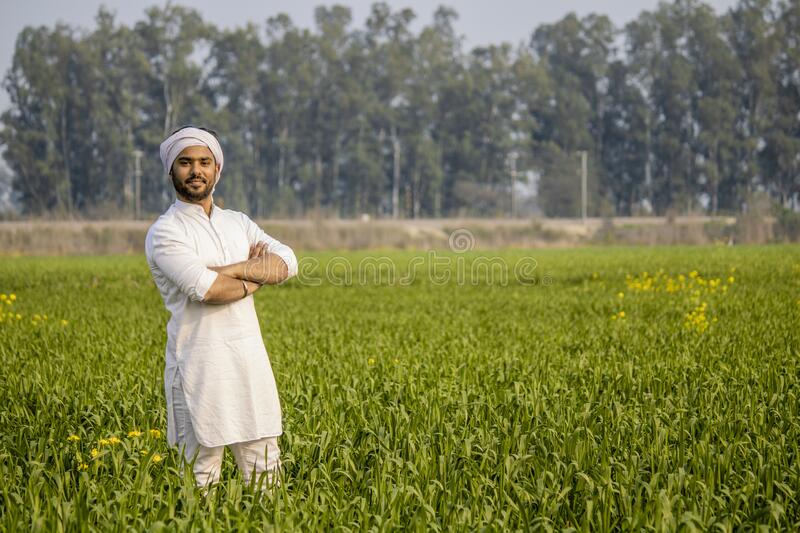
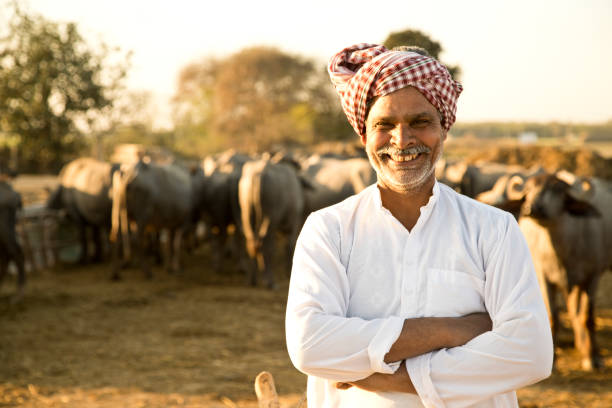
Agriculture is one of the major sectors of the Indian economy. It is present in the country for thousands of years. Over the years it has developed and the use of new technologies and equipment replaced almost all the traditional methods of farming. Besides, in India, there are still some small farmers that use the old traditional methods of agriculture because they lack the resources to use modern methods. Furthermore, this is the only sector that contributed to the growth of not only itself but also of the other sector of the country..
Growth and Development of the Agriculture Sector
India largely depends on the agriculture sector. Besides, agriculture is not just a mean of livelihood but a way of living life in India. Moreover, the government is continuously making efforts to develop this sector as the whole nation depends on it for food For thousands of years, we are practicing agriculture but still, it remained underdeveloped for a long time. Moreover, after independence, we use to import food grains from other countries to fulfill our demand. But, after the green revolution, we become self-sufficient and started exporting our surplus to other countries.
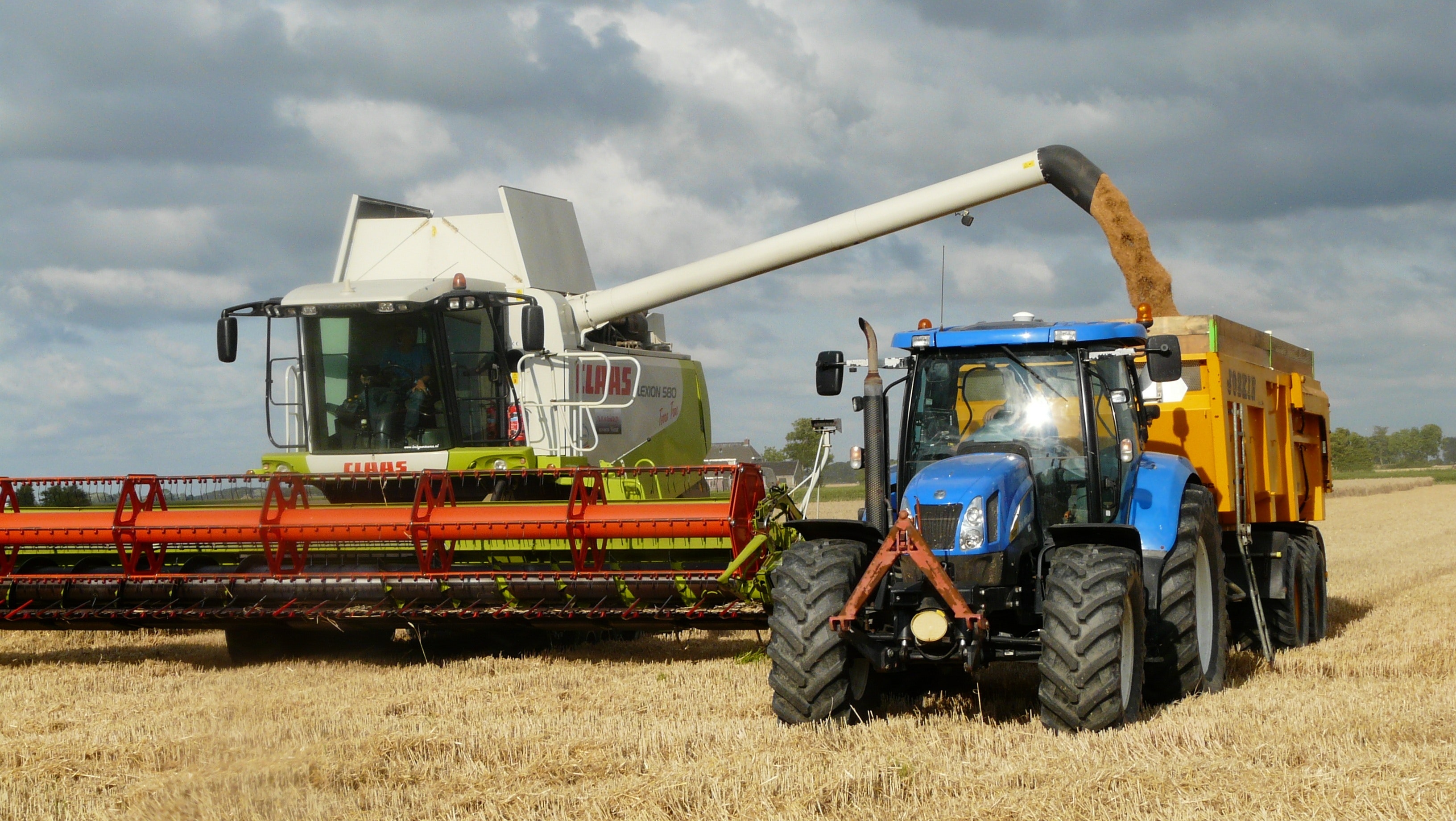
Besides, these earlier we use to depend completely on monsoon for the cultivation of food grains but now we have constructed dams, canals, tube-wells, and pump-sets. Also, we now have a better variety of fertilizers, pesticides, and seeds, which help us to grow more food in comparison to what we produce during old times. With the advancement of technology, advanced equipment, better irrigation facility and the specialized knowledge of agriculture started improving. Furthermore, our agriculture sector has grown stronger than many countries and we are the largest exporter of many food grains.
Significance of Agriculture
It is not wrong to say that the food we eat is the gift of agriculture activities and Indian farmers who work their sweat to provide us this food. In addition, the agricultural sector is one of the major contributors to Gross Domestic Product (GDP) and national income of the country. Also, it requires a large labor force and employees around 80% of the total employed people. The agriculture sector not only employees directly but also indirectly. Moreover, agriculture forms around 70% of our total exports. The main export items are tea, cotton, textiles, tobacco, sugar, jute products, spices, rice, and many other items.
The share of agriculture in GDP increased to 19.9 per cent in 2020-21 from 17.8 per cent in 2019-20. The last time the contribution of the agriculture sector in GDP was at 20 per cent was in 2003-04. India is the biggest exporter of cotton in the world.